Advertising helps fund Big Issue’s mission to end poverty
Opinion

Overseas domestic workers are abused by employers. The UK visa system makes it worse

On April 6, 2012, the government changed visa rules for overseas domestic workers, which tied them to specific employers and increased the risks of abuse. Eleanor Lyons, the independent anti-slavery commissioner, calls for change

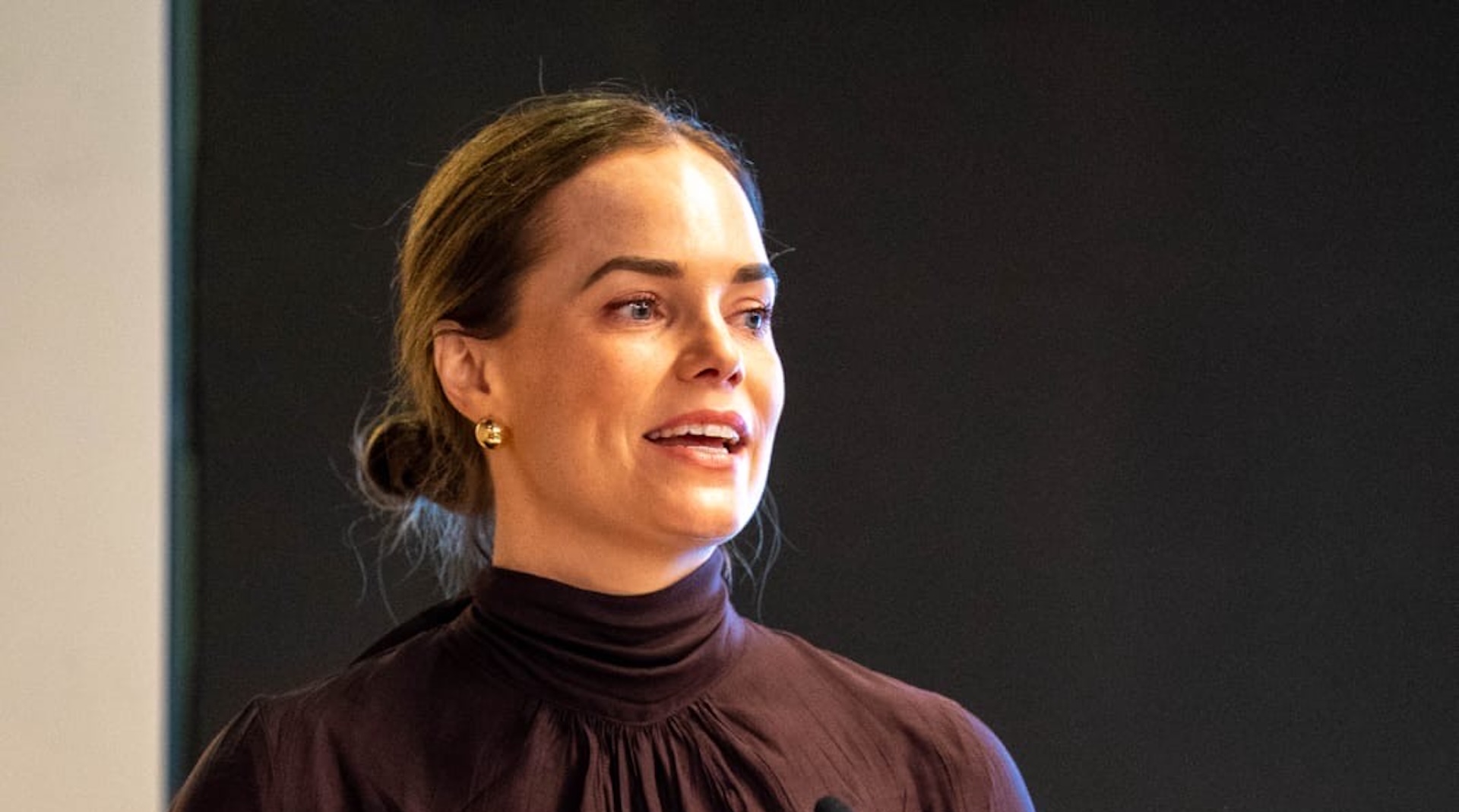
Eleanor Lyons is the independent anti-slavery commissioner.

Eleanor Lyons is the independent anti-slavery commissioner. Image: Supplied

Behind closed doors in homes across the UK, overseas domestic workers are being exploited – trapped and unable to leave, even when facing abuse. Invisible, isolated, and dependent on their employer, they face risks that can quickly escalate into serious harm.

As independent anti-slavery commissioner, I have consistently argued that our response to modern slavery must focus on prevention, not simply intervention after harm has occurred. Yet 14 years on from changes to the overseas domestic worker visa, we are still falling short of that principle. The structure of this visa continues to create conditions in which exploitation can develop and escalate, rather than being stopped at an early stage.

For many years, the charity Kalayaan has documented the experiences of overseas domestic workers, including indicators of exploitation such as restriction of movement, confiscation of documents, and threats linked to immigration status. These are warning signs of harm – often visible long before a case reaches the threshold of modern slavery. The cases of domestic servitude that are formally identified are only the tip of the iceberg; they do not capture the full extent of exploitation taking place behind closed doors or the many workers still in need of support.

Read more:

This is fundamentally an issue affecting women and girls. Domestic work is overwhelmingly undertaken by women, many of whom arrive in the UK already dependent on their employer – travelling with them and living in their household. That combination of gender, migration status, and isolation creates a heightened risk of coercion and control.

In a domestic setting, hidden from public view, that risk can escalate quickly. What begins as dependency can become restriction, and in the most serious cases, forced labour or servitude. I have heard directly from workers who felt they had no safe way to leave, even when conditions became abusive. When an individual’s immigration status, income, and accommodation are all tied to one employer, the balance of power is stark. When that power is abused, exploitation can deepen rapidly.

Advertising helps fund Big Issue’s mission to end poverty

The overseas domestic worker visa, as currently configured, reinforces that imbalance. While workers have the right to change employer, this is limited to the time remaining on a six-month visa – often only a matter of weeks or even days. A right that exists only briefly is not a meaningful safeguard. Faced with the risk of losing their lawful status, many workers are unable to leave abusive situations. When leaving is not a realistic option, exploitation continues unchecked.

Too often, our system responds only once harm has escalated into modern slavery. In practice, meaningful protection is frequently triggered only when an individual is identified through the national referral mechanism – the UK’s framework for identifying and supporting potential victims. By that stage, significant harm has already occurred.

Prevention requires earlier action. Workers must be able to exercise basic freedoms – most importantly, the ability to leave an employer safely without jeopardising their immigration status or increasing their vulnerability. A credible preventative approach must be grounded in evidence, and listening to those with lived experience is critical. Overseas domestic workers have been consistent in their message for over a decade: restrictions on their status increase their vulnerability to coercion and control. Their voices point clearly to the changes needed.

Requiring notification when a worker changes employer would provide valuable insight into emerging risks and patterns of exploitation, enabling earlier intervention. Despite support from workers and practitioners, such proposals have not been adopted. This limits our ability to act on early warning signs and undermines efforts to prevent harm.

When in opposition, the Labour Party recognised the link between visa conditions and vulnerability to modern slavery, supporting reforms to restore greater autonomy to workers. In government, that position has shifted into delay. The current review of the overseas domestic worker visa is being conducted internally and is not expected to conclude until the end of 2026. Delay has consequences. It means continued exposure to risk and the persistence of preventable harm.

We must ensure that, in the design of any visa system, we do not increase the leverage available to abusive employers. Workers must have the agency to leave harmful situations before exploitation escalates into modern slavery.

This anniversary should be a turning point, not a moment of reflection alone. We know where the risks lie, how exploitation develops, and what changes would reduce harm. What is lacking is not evidence, but urgency. Without action, workers will continue to face preventable exploitation behind closed doors. Prevention must come before crisis – and the time to act is now.

Eleanor Lyons is the independent anti-slavery commissioner.

Do you have a story to tell or opinions to share about this? Get in touch and tell us more.

Change a vendor’s life.

Buy from your local Big Issue vendor every week – and always take the magazine. It’s how vendors earn with dignity and move forward.

You can also support online:
Subscribe to the magazine or support our work with a monthly gift. Your support helps vendors earn, learn and thrive while strengthening our frontline services.

Thank you for standing with Big Issue vendors.

Advertising helps fund Big Issue’s mission to end poverty

Do you know how Big Issue 'really' works?

Watch this simple explanation.

Recommended for you

View all
Like Rick Astley, volunteers never give up. They are the UK's hidden heartbeat
Steven MacKenzie

Like Rick Astley, volunteers never give up. They are the UK's hidden heartbeat

Local housing allowance stays frozen this year. Renters need housing benefit to keep up with rents
a stressed old man with his hand out in despair
Morgan Vine

Local housing allowance stays frozen this year. Renters need housing benefit to keep up with rents

Playrise: Even in a war zone, children need the chance to play. We're making it possible
Children affected by war playing
Ariana Mouyiaris

Playrise: Even in a war zone, children need the chance to play. We're making it possible

Will a social media ban for under-16s make any difference? We must ask young people themselves
Girlguiding Advocate Ellen, aged 17
Ellen

Will a social media ban for under-16s make any difference? We must ask young people themselves